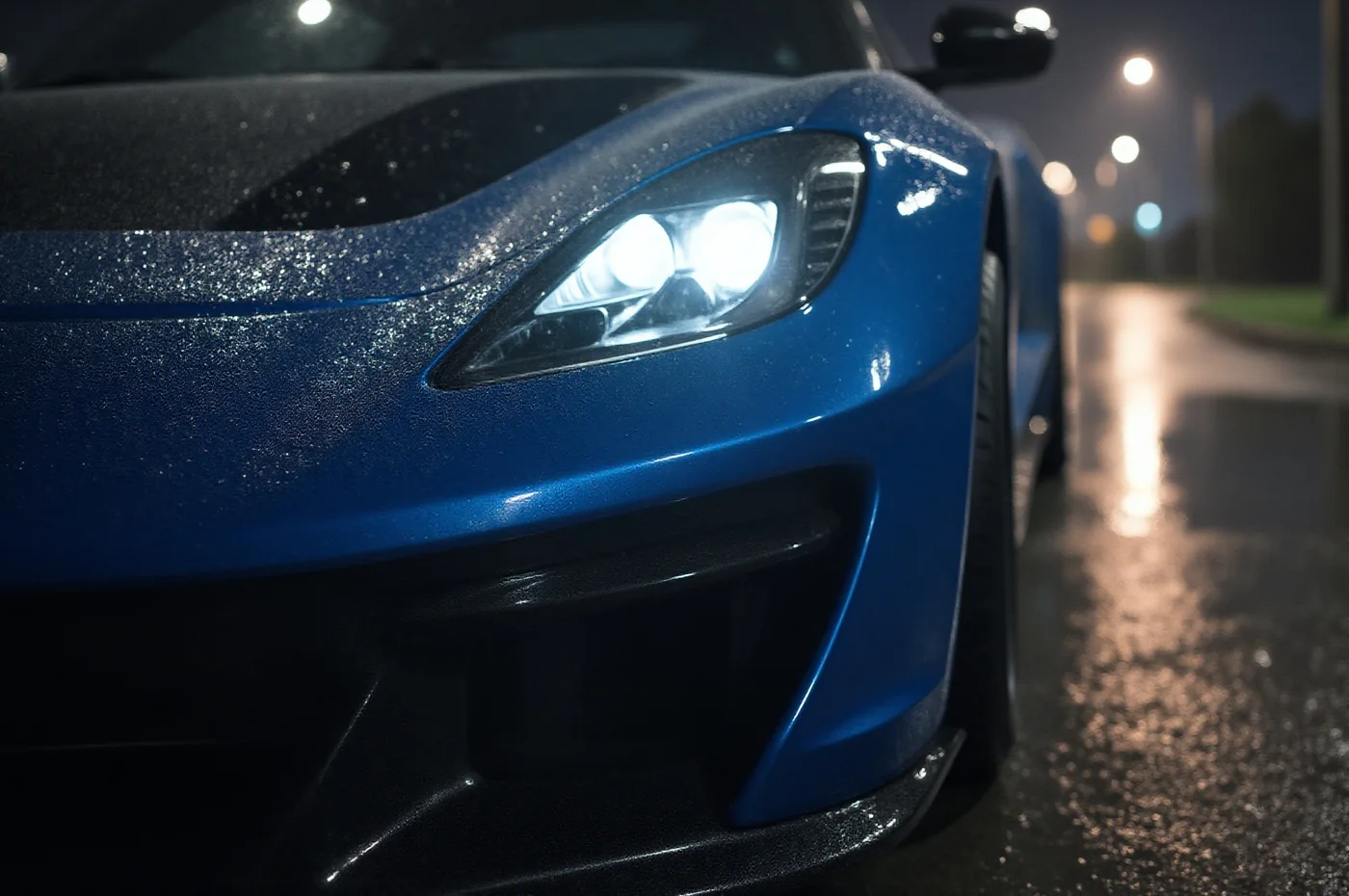
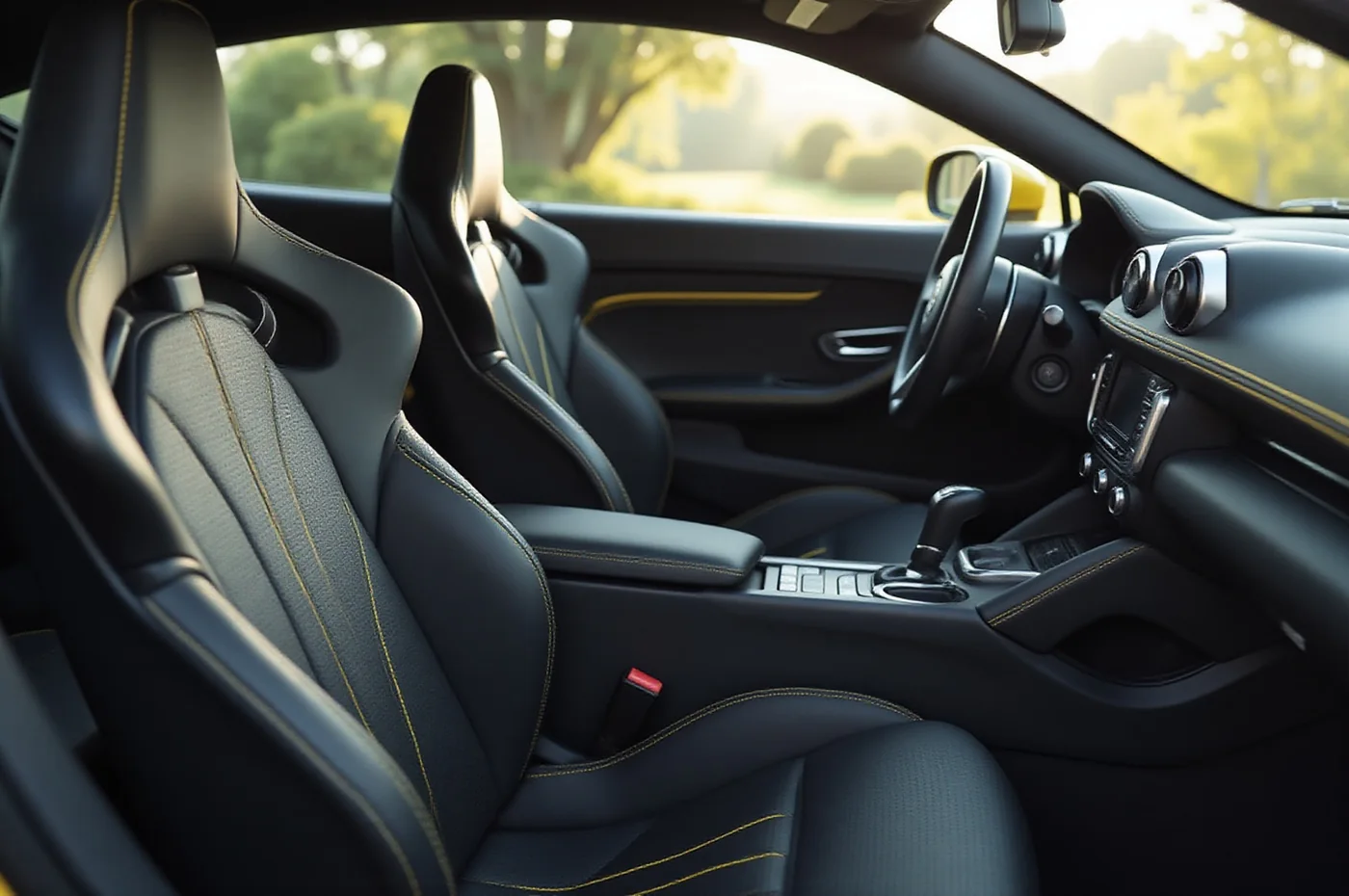
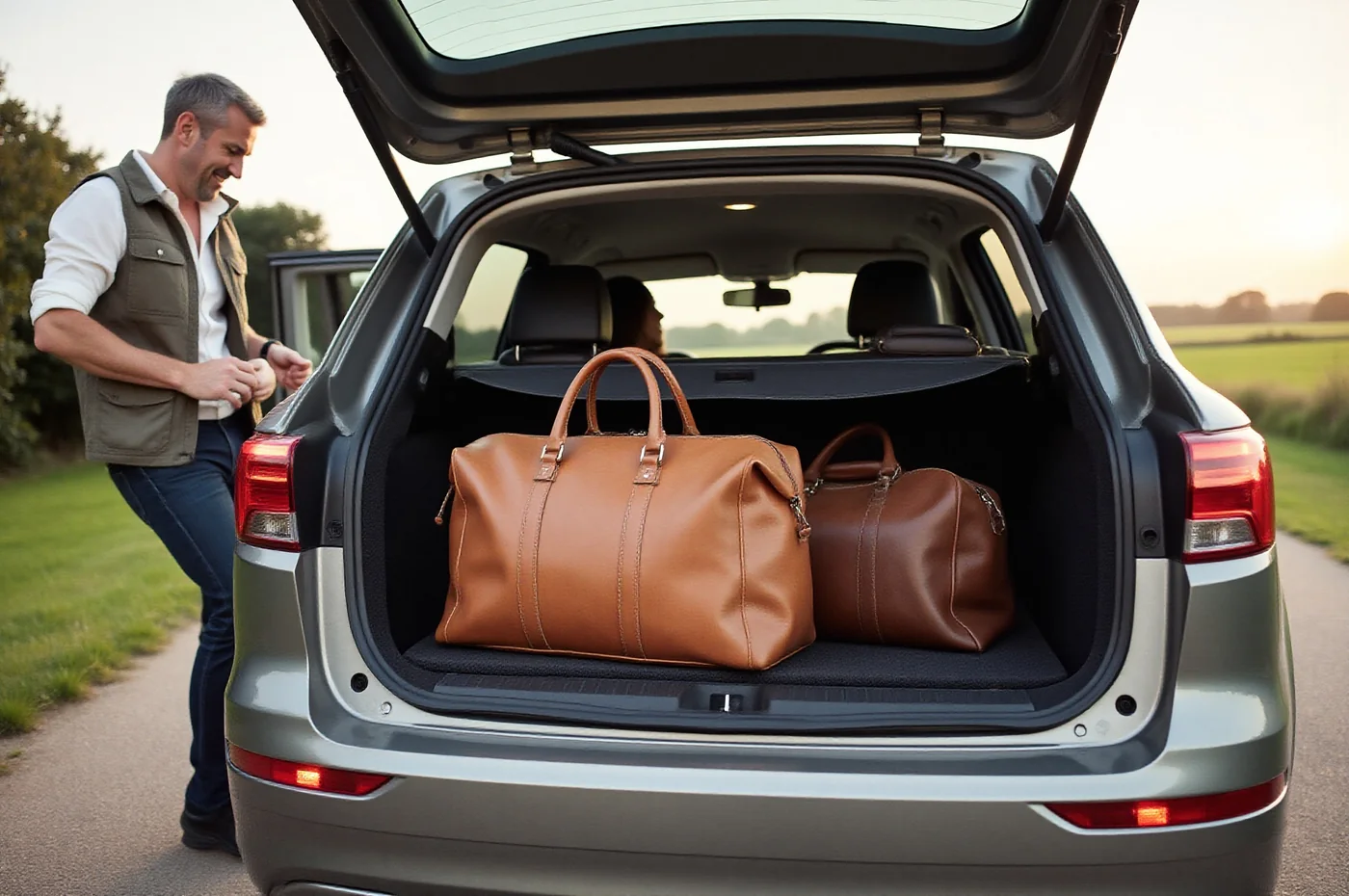
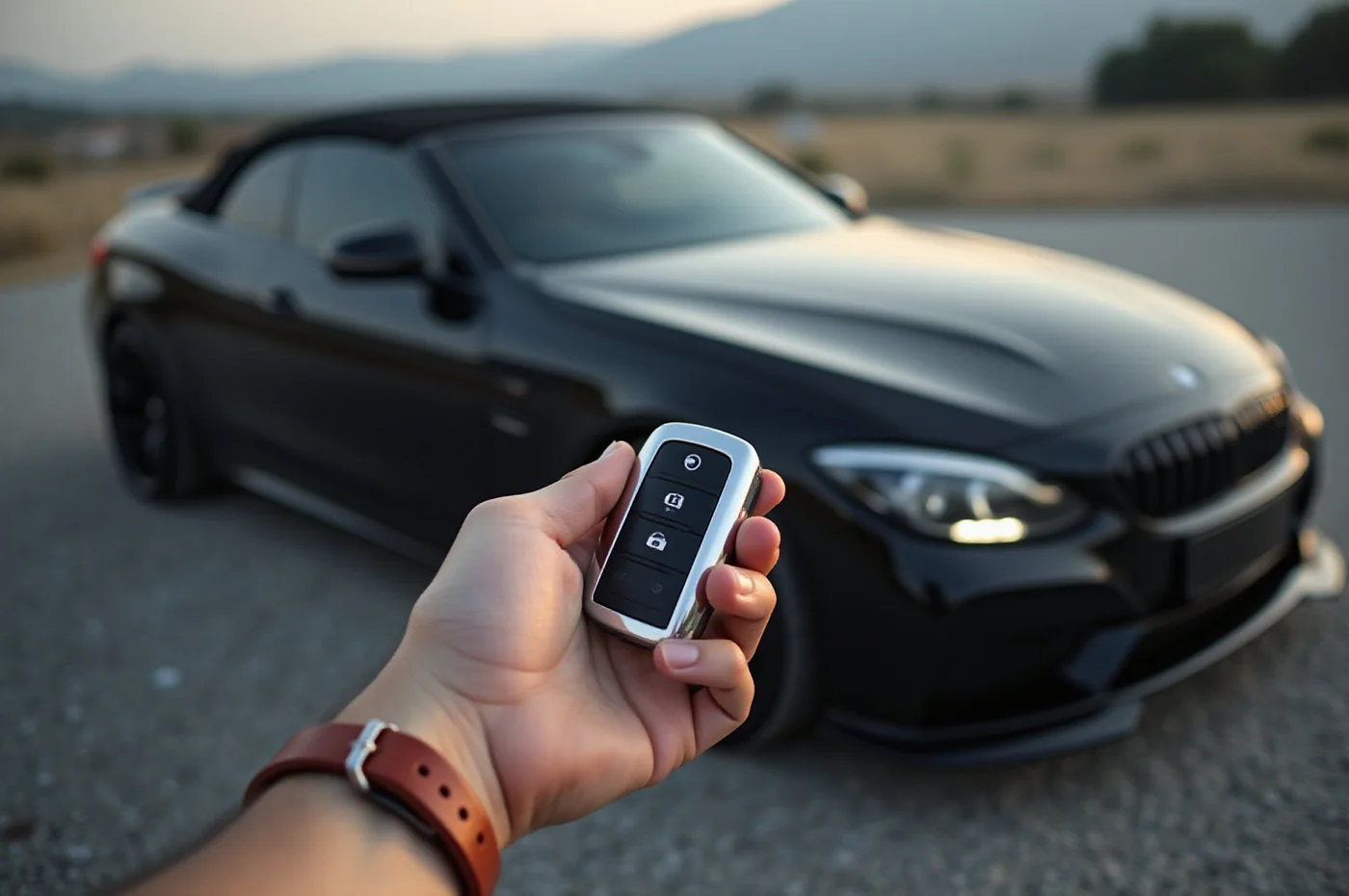
Pack the car so it drives the way it should. Heavy items go in the boot, low down and pushed against the back of the rear seats; nothing loose on the parcel shelf, where it becomes a missile under hard braking. Keep within the load limits in the handbook, including the roof load if you use a roof box, and remember that a heavily loaded car brakes, corners and accelerates differently. Adjust tyre pressures for the load and check that headlamp aim suits it — many cars have a beam adjuster for exactly this. In the cabin, keep a small kit within reach: water, snacks, sunglasses, a charging cable, a paper map of the region, tissues and a warm layer. In the boot, carry a warning triangle, a torch, a high-visibility vest for everyone, a basic first aid kit, gloves, a blanket and a tyre inflator or the tools for the spare. In winter, add a scraper, de-icer, a shovel and something to kneel on.
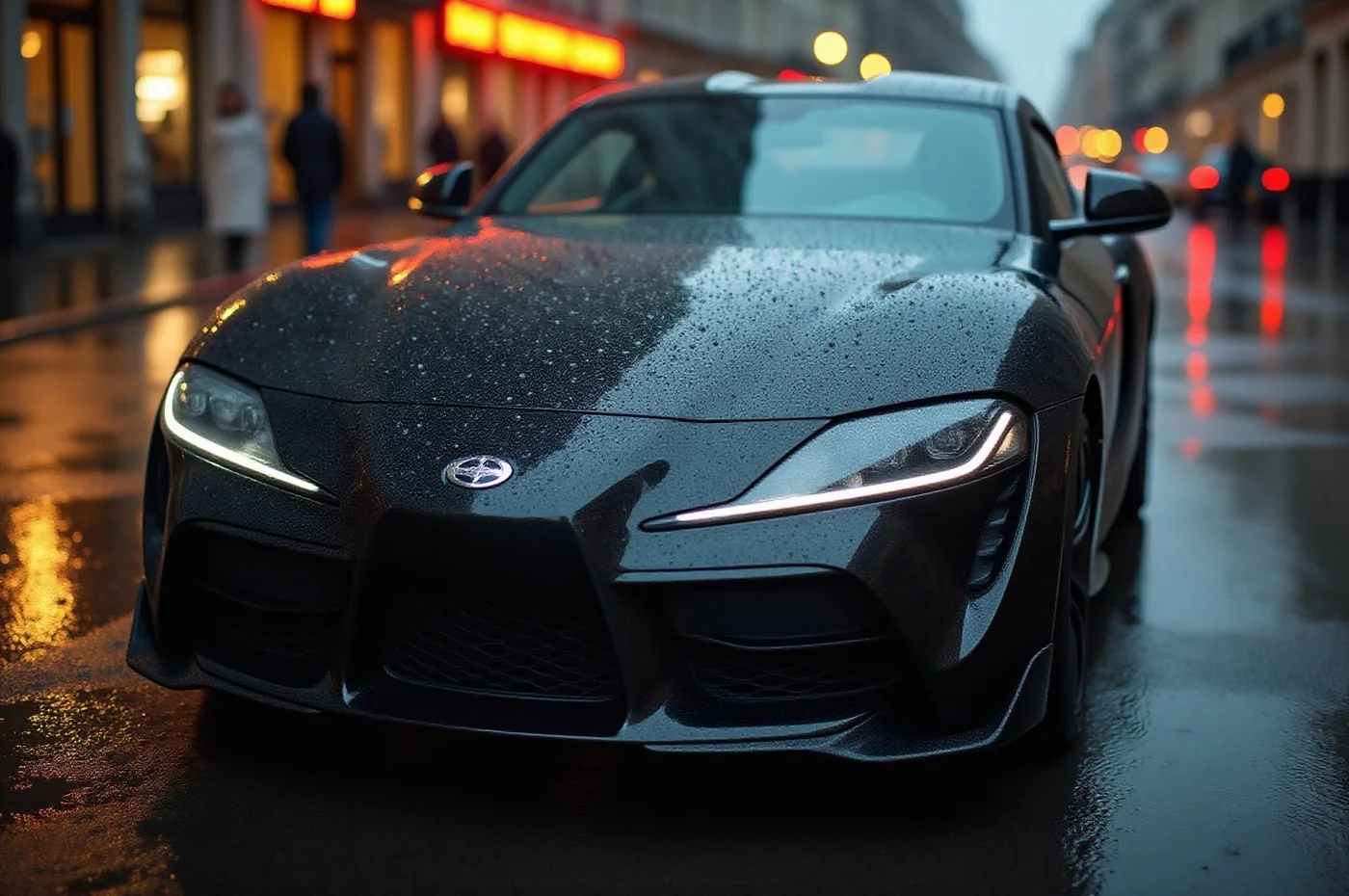
Weather changes the plan, not just the driving. In heavy rain, slow down, leave far more room and use dipped headlights; if the steering suddenly feels light on standing water, ease off the accelerator and hold the wheel straight rather than braking. In fog, use dipped beams and fog lamps as local rules allow, and switch the fog lamps off again when visibility improves. Strong side winds matter on exposed bridges, coasts and high ground, especially with a roof box. In heat, carry extra water and watch the temperature gauge on long climbs. For continental trips, the paperwork varies by country and changes over time, so check official government travel advice well before departure. In general, expect to carry your driving licence, the vehicle registration document, proof of insurance valid for the countries you visit, your passport, and breakdown cover details. Some countries require particular equipment in the car, national identifiers or permits for certain cities or motorways. Always follow local rules, which can differ sharply from home.


 01 — Coastal